McDonald’s Double Cheeseburger UK Price & Nutrition [2026 Updated]
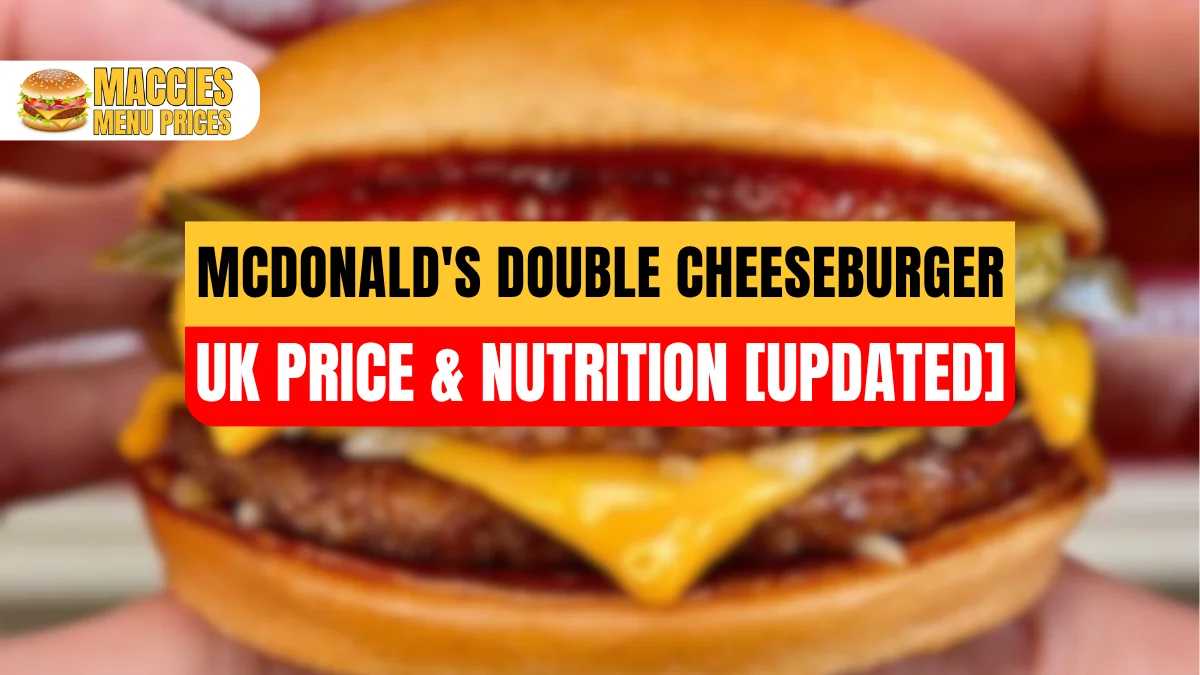
I love the McDonald’s Double Cheeseburger for its two 100% British/Irish beef patties, melted cheddar-style cheese, sharp pickles and tangy sauces in a warm toasted bun. That greasy-wrapper comfort is hard to beat. In this complete guide, I cover the official UK 2026 price (£3.59), 452 calories, 27g protein, nutrition, ingredients and allergens using McDonald’s UK data.
If you’re curious about how it stacks up against other beef options, you can check out our full breakdown of the McDonald’s burgers menu.
McDonald’s Double Cheeseburger Price
| Item Name | Official Price | Calories |
|---|---|---|
| McDonald’s Double Cheeseburger | £3.59 | 452 kcal |
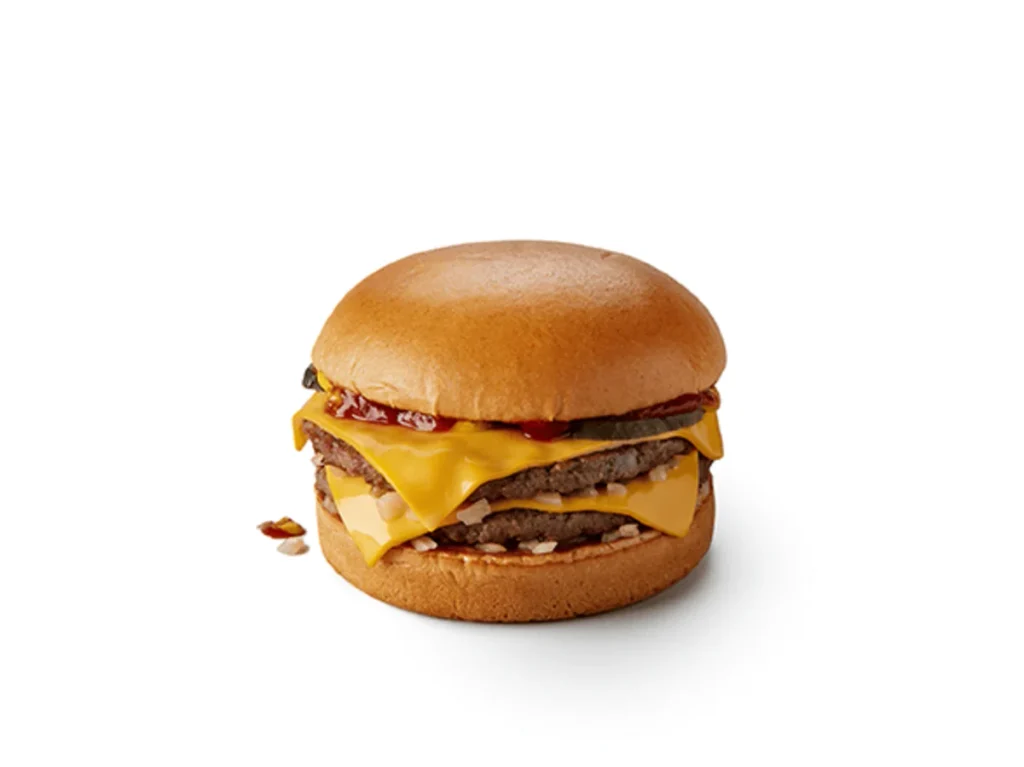
The official McDonald’s UK price for a single Double Cheeseburger is £3.59. I’ve always found it a budget-friendly choice when I want something more substantial than a standard single cheeseburger. Prices can vary slightly by location, though, with airport and service station branches sometimes charging more than high street restaurants.
For the price, you get two beef patties, melted cheese and a satisfying hit of flavour. McDonald’s now sears onions directly onto the beef patties for extra flavour, although branch consistency still matters. I’ve seen customer feedback mention squashed buns and uneven sauce distribution, particularly during busy periods. It’s still solid value, but the quality can depend on who’s making it.
To see how this £3.59 price compares to the rest of the UK offerings, take a look at our complete McDonald’s menu price list for 2026.
McDonald’s Double Cheeseburger Calories & Full Nutrition Breakdown
The McDonald’s Double Cheeseburger contains 452 kcal (1886 kJ) per portion, making it a filling option for a quick lunch. I’ve always found the two beef patties deliver a satisfying protein hit, especially for the £3.59 price. There’s plenty of flavour, too, from the rich cheese melt, tangy ketchup and sharp pickles.
The nutrition facts deserve a closer look, though. You’ll get 27g of protein, which contributes 54% of an average adult’s Reference Intake (RI). That’s a strong amount for a single burger. However, the 11g of saturated fat and 2.1g of salt account for 57% and 36% of daily RI respectively.
I wouldn’t treat those numbers as a reason to avoid it altogether. They’re simply worth considering if you’re watching your fat or sodium intake. The percentages below use the standard adult reference intake of 8,400 kJ (2,000 kcal) per day.
| Nutrient | Per Portion | % RI (Adult) |
|---|---|---|
| Energy (kJ) | 1886 kJ | 23% |
| Energy (kcal) | 452 kcal | 23% |
| Fat | 24g | 34% |
| Saturated Fat | 11g | 57% |
| Carbohydrates | 31g | 12% |
| Sugars | 8.2g | 9% |
| Fibre | 2.2g | — |
| Protein | 27g | 54% |
| Salt | 2.1g | 36% |
Ingredient-Level Calorie Breakdown
Ever wondered where the Double Cheeseburger calories actually come from? The beef patties, bun and two cheese slices account for most of the energy, while the ketchup adds a smaller amount of sweetness and flavour. Pickles, mustard and onions contribute very few calories.
The beef patty calories provide much of the burger’s protein, while the regular bun supplies carbohydrates. Cheese brings that creamy, savoury taste, but it’s also a significant source of fat. If you’re looking to reduce the calorie count, asking for one fewer cheese slice is a straightforward option. Based on the figures below, one slice contributes around 48 kcal, although the final nutrition will depend on the ingredients and portion served.
| Ingredient | Energy (kJ) | Energy (kcal) |
|---|---|---|
| Beef Patty (x2 total) | 840 kJ | 202 kcal |
| Regular Bun | 587 kJ | 139 kcal |
| Cheddar Cheese Slices (x2) | 393 kJ | 95 kcal |
| Tomato Ketchup | 54 kJ | 13 kcal |
| Onions | 9 kJ | 2 kcal |
| Pickle Slices | 2 kJ | 0 kcal |
| Mustard | 2 kJ | 0 kcal |
Note: Ingredient-level figures are estimates based on the supplied breakdown. Individual values may not add up exactly to the published total because of rounding and calculation differences.
Double Cheeseburger Allergen Information
The main Double Cheeseburger allergens to check are milk, wheat (gluten) and mustard. The cheese contains milk, the regular bun contains wheat, and the mustard adds another declared allergen. If you have a food allergy or intolerance, check the latest McDonald’s UK allergen information before ordering.
| Component | Declared Allergens |
|---|---|
| Mustard | Mustard |
| Cheddar Cheese Slices | Milk |
| Regular Bun | Wheat (Gluten) |
| Beef Patty | None |
| Pickle Slices | None |
| Tomato Ketchup | None |
| Onions | None |
There’s another point worth knowing. McDonald’s buns use shared store toaster equipment that handles sesame seeds, barley and rye, so trace cross-contact remains a possibility. The kitchen also uses shared preparation and assembly areas, meaning staff can’t guarantee an entirely allergen-free environment.
The beef patties are cooked with rehydrated onions, so you shouldn’t assume a request for no onions guarantees an onion-free patty. The listed burger ingredients don’t include nuts, but anyone with a nut allergy should check the current allergen guidance for relevant manufacturing and cross-contact risks. Delivery orders also carry additional handling and packaging risks.
If you have a severe allergy, speak to McDonald’s staff and review the current allergen matrix before placing your order. Don’t rely on a customised burger alone to eliminate cross-contact.
Full Ingredients & Allergen Breakdown
The McDonald’s Double Cheeseburger combines seasoned British and Irish beef, processed cheddar-style cheese, a soft regular bun, pickles, onions, ketchup and mustard. Here’s a closer look at the supplied ingredient information for each component.
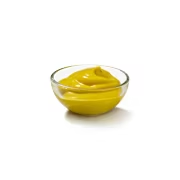
Mustard
– Water, spirit vinegar, MUSTARD seed (14%), salt, spices and spice extract.
Mustard provides the burger’s sharp, tangy kick. It’s a declared allergen, so even a small amount matters if you’re allergic to mustard.
Onions
– 100% onion, supplied as rehydrated diced onion and added to the beef patties during cooking.
The onions cook directly onto the patties, adding a savoury aroma and extra flavour. If you’re avoiding onion for an allergy or intolerance, remember that removing visible onion during assembly doesn’t guarantee the patties contain none.

Pickle Slices
– Gherkins, water, spirit vinegar, salt, firming agent (calcium chloride), natural flavouring and preservative (potassium sorbate).
These deliver the familiar sharp pickle crunch that cuts through the rich beef and cheese. The supplied ingredient list doesn’t identify a declared allergen in the pickles.
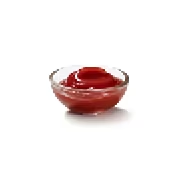
Tomato Ketchup
– 60% tomato purée (equivalent to 168g tomatoes per 100g ketchup), glucose-fructose syrup, spirit vinegar, salt and spice extracts.
Ketchup adds sweetness and acidity, balancing the savoury patties. It also contributes a small amount of the burger’s total sugar content.
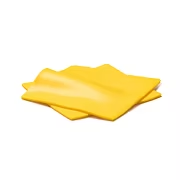
Cheddar Cheese Slices (Processed)
The supplied ingredient information includes two possible formulations. The current formulation for your restaurant should be confirmed against McDonald’s UK documentation.
- Option A: Vegetarian cheddar (51%) (MILK), water, vegetarian cheese (9%) (MILK), whey powder (MILK), butter (MILK), emulsifying salts (trisodium citrate, tripotassium citrate, citric acid), MILK protein, natural cheese flavouring (MILK), salt, colours (carotene, paprika extract) and anti-caking agent (lecithins).
- Option B: Vegetarian cheddar cheese (51%) (MILK), water, vegetarian cheese (9%) (MILK), butter (MILK), skimmed MILK powder, emulsifying salts (trisodium citrate, tripotassium citrate), natural cheese flavouring (MILK), MILK proteins, salt, colours (beta-carotene, paprika extract), acid (citric acid) and anti-caking agent (lecithins).
Both versions contain milk, making cheese a key allergen to consider. The slices provide the creamy texture and savoury flavour that define the Double Cheeseburger.
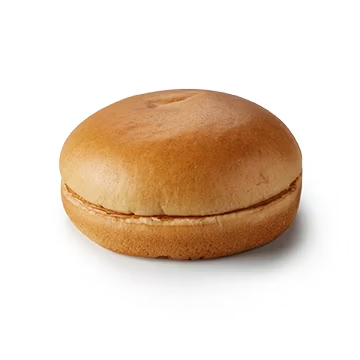
Regular Bun
- WHEAT flour (contains calcium carbonate, niacin, iron, folic acid and thiamin), water, sugar, rapeseed oil, glaze (water, pea protein, dextrose and maize starch), salt, yeast, emulsifier (mono- and diacetyl tartaric acid esters of mono- and diglycerides of fatty acids), WHEAT fibre and antioxidant (ascorbic acid).
- Traces: May contain sesame seeds, milk, barley and rye due to shared store toaster equipment.
The soft bun holds the fillings together and supplies a sizeable share of the burger’s carbohydrates. Wheat is a declared allergen, while shared toaster equipment creates an additional trace cross-contact risk.
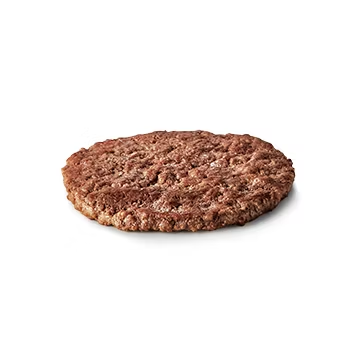
Beef Patty
– 100% pure British and Irish beef, with no additives, fillers, binders or preservatives. Seasoned with salt and pepper after cooking.
The two beef patties supply most of the burger’s protein. Rehydrated diced onions are added during cooking, and staff season the beef after it cooks.
Frequently Asked Questions (FAQs)
How much is a Double Cheeseburger at McDonald’s UK?
The McDonald’s Double Cheeseburger has an official UK baseline price of £3.59 in 2026. I’ve found it a reasonable option when you’re after something filling without spending much. Bear in mind, though, that high street branches and service stations can charge different prices, so check your local menu before ordering.
How many calories are in a McDonald’s Double Cheeseburger?
One Double Cheeseburger contains 452 kcal (1886 kJ). That’s a useful figure to remember if you’re tracking your daily calorie intake or planning a quick lunch.
How much protein is in a Double Cheeseburger?
You’ll get 27g of protein, equivalent to 54% of an average adult’s daily Reference Intake. The two beef patties do most of the work here, making the burger a reasonably protein-rich choice for its price.
What allergens are in a Double Cheeseburger?
The confirmed allergens include milk, wheat (gluten) and mustard. Shared toaster equipment can also introduce traces of sesame, barley and rye. If you have a serious allergy, check McDonald’s latest UK allergen information and speak to staff before ordering, as the kitchen can’t guarantee an entirely allergen-free environment.
Is the Double Cheeseburger onion-free?
No. McDonald’s adds rehydrated diced onions directly onto the beef patties during cooking. Asking staff to leave onions off your burger doesn’t guarantee an onion-free patty, so keep that in mind if you’re avoiding onions because of an allergy or intolerance.
Can I customise my Double Cheeseburger?
Absolutely. You can usually request changes through the McDonald’s app, a self-order kiosk or the till, depending on the options available at your branch. Just remember that removing an ingredient doesn’t eliminate cross-contact risks, particularly with onions cooked onto the patties.
What’s the difference between a Double Cheeseburger and a Big Mac?
The Double Cheeseburger keeps things simple: two beef patties, two cheese slices, ketchup, mustard, pickles and onions in a regular bun. A Big Mac has three bun pieces, shredded lettuce and its distinctive Big Mac sauce, which doesn’t contain mustard in its standard recipe. It’s a different flavour profile, with more salad and a signature sauce. For a deeper dive into their flagship sandwich, read our complete guide to the McDonald’s Big Mac.
Is the Double Cheeseburger halal in the UK?
McDonald’s UK doesn’t certify its food as halal across the business. If halal certification is important to you, contact your local branch directly for clarification rather than assuming the burger meets your requirements.
The Verdict: Is the Double Cheeseburger Worth £3.59?
For £3.59, I reckon the McDonald’s Double Cheeseburger offers solid value on the UK high street. You get 452 kcal and 27g of protein, with two beef patties and that familiar melted-cheese, pickle and mustard combination. It’s satisfying without being complicated.
There’s a trade-off, though. With 11g of saturated fat and 2.1g of salt, I’d treat it as an occasional favourite rather than an everyday staple. These figures reflect the supplied McDonald’s UK 2026 nutritional data, but recipes and preparation practices can change. If you have a severe allergy, always check the latest allergen information with McDonald’s before ordering.

Jamie is a fast-food expert, researcher, and digital creator dedicated to bringing you the most accurate and up-to-date guides on UK menu items, prices, and nutritional facts. With a sharp eye for detail and a genuine love for high-street dining, Jamie tests, verifies, and updates menu data so you can plan your next meal with total confidence.